Web Content Written By-Hardison Teague
Refractive surgery has come a long way in the last couple of decades, transforming the lives of millions by dealing with vision issues and helping people to see plainly. Advances in medical modern technology have actually permitted more precise treatments that are safer and more efficient than ever. In this post, we will take a look at the development of refractive surgery throughout background to better understand its trip from old times to today day.
The initial known treatment for dealing with vision was called early as 200 BC, when Roman philosopher Antyllus made use of a bent needle to make cuts in the cornea. This primitive type of surgical treatment continued to be mainly unchanged until the 19th century, when eye doctors began utilizing scissors and scalpels to do surgeries on the eye. In 1948, Dr. Jose Barraquer reinvented refractive surgical procedure with his development of keratomileusis, which improved the cornea with an instrument called a microkeratome.
Ever since, there has actually been a flurry of technological advancements in refractive surgery that have made it much easier on both patients and physicians alike. Interesting new laser-based treatments such as LASIK have actually ended up being progressively preferred over current years, permitting people to experience more clear vision without any intrusive strategies or lengthy recuperation times. In this short article, we will certainly explore each step along this trip in detail and analyze just how much refractive surgery has been available in such a brief amount of time.
1. Overview Of Refractive Surgical Procedure
Refractive surgical treatment is a sort of eye surgical treatment that assists to deal with vision problems caused by refractive mistakes. It has become progressively prominent over the last couple of decades as a means to lower or eliminate the need for glasses and call lenses. This short article will certainly introduction the background of refractive surgery and provide a summary of its evolution over time.
The very first major development in refractive surgical treatment took place in 1950, when Dr. Harold Ridley first dental implanted an acrylic lens right into the eye to aid restore vision. Ever since, many various other developments have been made in the field of refractive surgical procedure, such as laser-assisted treatments, corneal transplantation, and wavefront technology. These developments have allowed doctors to deal with a wide range of vision troubles with greater precision and security than ever before.
Excimer Laser are much more secure and extra reliable than those done just a couple of years earlier, thanks to the amazing innovations that have been made in innovation and techniques over time. As study continues and new technologies appear, it's most likely that we'll see even more developments in this area in the years in advance. This will certainly enable individuals with damaged vision to benefit from improved end results when it concerns restoring their sight.
2. Historical Timeline Of Refractive Surgery
From the very first forays of fiddling with vision to one of the most modern approaches, refractive surgical procedure has come a long way. Surgeons and scientists have worked tirelessly towards improving the treatment, bring about a historic timeline of improvement that's both breathtaking and remarkable. Allow's take a look:
• 1950s: First tries at refractive surgical treatments are made, mainly utilizing cryosurgery-- freezing the cornea in hopes of reshaping it.
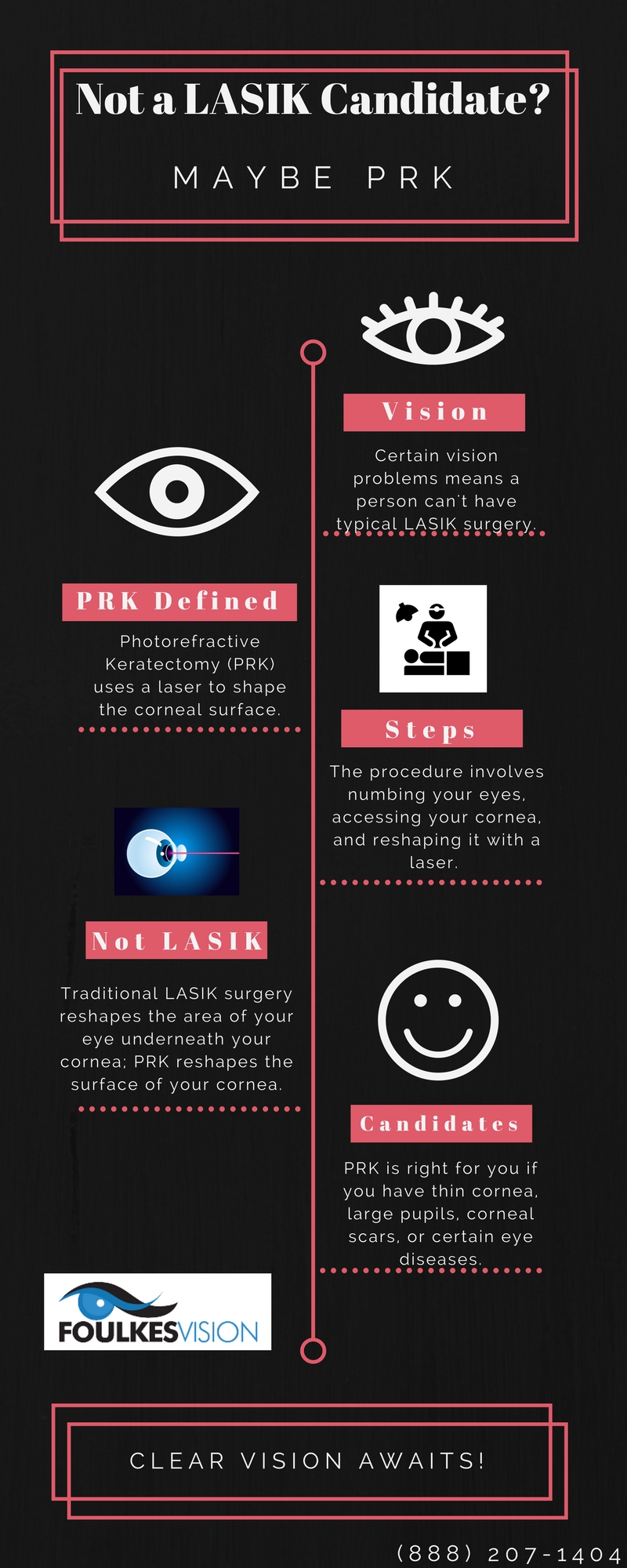
• 1980s: The introduction of photorefractive keratectomy (PRK)-- a laser procedure made use of to deal with short-sightedness by eliminating layers from the cornea.
• 1991: Laser-assisted sitting keratomileusis (LASIK) is established as a choice to PRK, involving producing a flap in the cornea before improving it with laser innovation.
• 2000s: Femtosecond innovation is used for LASIK, changing mechanical tools with laser ones for higher precision and precision.
• 2010s: Wavefront technology is presented into LASIK surgery, changing its landscape forever with customised treatments based upon individual person's eyesight.
Refractive surgery has actually come an enormously long way because its inception over half a century back-- today, eye doctors can now supply individuals bespoke treatments tailored precisely to their demands. From significant innovations like LASIK to smaller advancements such as wavefront technology, this historic timeline highlights just exactly how far we have actually been available in achieving perfect vision for every person.
3. Advantages Of Refractive Surgical Procedure
The idea that refractive surgery can enhance vision is an exciting one, and its possible implications for people's lives are vast. Yet what are the real benefits of this sort of medical treatment? To discover, let's take a better take a look at the advantages of refractive surgical treatment.
Most importantly, it is necessary to keep in mind that this kind of procedure can make a significant distinction to individuals's vision. By remedying existing problems, such as nearsightedness or farsightedness, it can help to reduce the need for glasses or contact lenses. In addition, it can reduce astigmatism and enhance night vision - something which many people with bad eyesight have difficulty with. Beyond this, it can also aid to decrease glow and halos around lights throughout nighttime driving.
Refractive surgery has the fringe benefit of being reasonably quick and simple to execute. A lot of treatments take less than an hour, with very little downtime afterward - meaning people can get back to their normal activities quickly. This remains in plain comparison to standard methods of remedying refractive errors which require multiple sees over a long term period and might call for more intensive aftercare or way of living modifications. Therefore, refractive surgery provides a much more reliable means to boost vision without needing to go through too much disturbance in day-to-day live.
Conclusion
Refractive surgical treatment has come a long way considering that its beginning in 1949 with the initial keratomileusis procedure. Today, it is just one of the most popular and demanded vision correction treatments that enable clients to achieve clear vision without using spectacles or get in touch with lenses. The benefits of refractive surgical procedure are numerous and consist of boosted vision, enhanced positive self-image and lifestyle.
In spite of these advantages, some people might be hesitant to go through refractive surgical treatment due to worries regarding potential threats or complications associated with the procedure. Nevertheless, it is very important to remember that modern-day refractive surgical treatment methods have actually been created over years of study and research study, making them extremely safe and trustworthy. In addition, when carried out by a qualified ophthalmologist or experienced surgeon, the risk of any major complications is really low.
Finally, refractive surgical treatment has transformed the means we remedy vision issues and has ended up being a progressively practical option for those looking to improve their lifestyle without depending on glasses or calls. By comprehending http://dillon91nelson.booklikes.com/post/6018224/recognizing-the-prospective-downsides-of-lasik-a-comprehensive-overview and advantages of refractive surgical procedure, people can make educated choices regarding their health care demands while lessening any kind of prospective dangers.